
Bulkhead Repair vs. Bulkhead Replacement: Which Option Is Right for Your Waterfront Property?
If you own a waterfront property in Toms River, Brick Township, Barnegat, Lacey Township, or anywhere in Ocean County, your bulkhead is one of the most important structures protecting your investment. When signs of damage begin to appear, many property owners ask the same question: Should I repair my bulkhead or replace it completely?
The answer depends on several factors, including the age of the bulkhead, the extent of the damage, the condition of the surrounding shoreline, and your long-term goals for the property. While repairs can often extend the life of a bulkhead for many years, there are situations where replacement is the smarter and more cost-effective solution.
In this guide, we'll explain the differences between bulkhead repair and bulkhead replacement, discuss common warning signs, and help you understand which option may be best for your waterfront property.
Understanding the Purpose of a Bulkhead
Before deciding between repair and replacement, it helps to understand what a bulkhead actually does.
A bulkhead acts as a retaining wall between your property and the water. Its primary purpose is to:
- Prevent shoreline erosion
- Retain soil and landscaping
- Protect structures near the water
- Improve property stability
- Reduce flood-related damage
- Preserve waterfront usability
Because bulkheads are constantly exposed to water, changing tides, storms, and soil pressure, they naturally experience wear over time.
The key is determining whether that wear can be corrected through repairs or if the structure has reached the end of its useful life.
When Bulkhead Repair Is the Better Option
Many property owners assume visible damage automatically means replacement is necessary. In reality, numerous bulkhead issues can be repaired successfully.
Repair is often recommended when the overall structure remains sound and damage is isolated to specific areas.
Common Situations Where Repair Makes Sense
Minor Cracking
Small cracks often develop as materials age. If the structural integrity of the wall remains intact, repairs can prevent further deterioration and restore performance.
Limited Soil Loss
If erosion behind the bulkhead is relatively minor, contractors can often restore backfill and stabilize affected areas without replacing the entire wall.
Localized Damage
Sometimes only one section of a bulkhead experiences damage due to impact, water pressure, or aging materials. Targeted repairs can address these problem areas while preserving the remainder of the structure.
Early Signs of Leaning
A slight lean does not always require replacement. In some cases, reinforcement systems can stabilize the wall and prevent additional movement.
Corrosion or Hardware Issues
Failing tie rods, anchors, or support components can sometimes be repaired or replaced independently of the bulkhead itself.
Benefits of Bulkhead Repair
Repairing a bulkhead offers several advantages.
Lower Initial Cost
Repairs generally cost less than full replacement, making them attractive for property owners working within a budget.
Faster Project Completion
Many repair projects can be completed more quickly than replacements, minimizing disruptions to your property.
Extended Lifespan
Strategic repairs can add years to the life of an existing bulkhead.
Less Property Disturbance
Repair projects typically involve less excavation and construction compared to replacement.
For property owners whose bulkheads still have significant structural life remaining, repairs often provide excellent value.
When Bulkhead Replacement Is Necessary
Although repairs are often effective, there comes a point when replacement becomes the better investment.
Attempting to repair a severely deteriorated bulkhead can result in recurring problems and higher long-term costs.
Signs Replacement May Be Required
Severe Leaning or Bowing
If large sections of the bulkhead are significantly leaning toward the water, structural failure may be imminent.
Extensive movement often indicates underlying support systems have failed.
Widespread Material Deterioration
Wood rot, corrosion, or concrete degradation throughout the entire structure may make repairs impractical.
Extensive Soil Loss
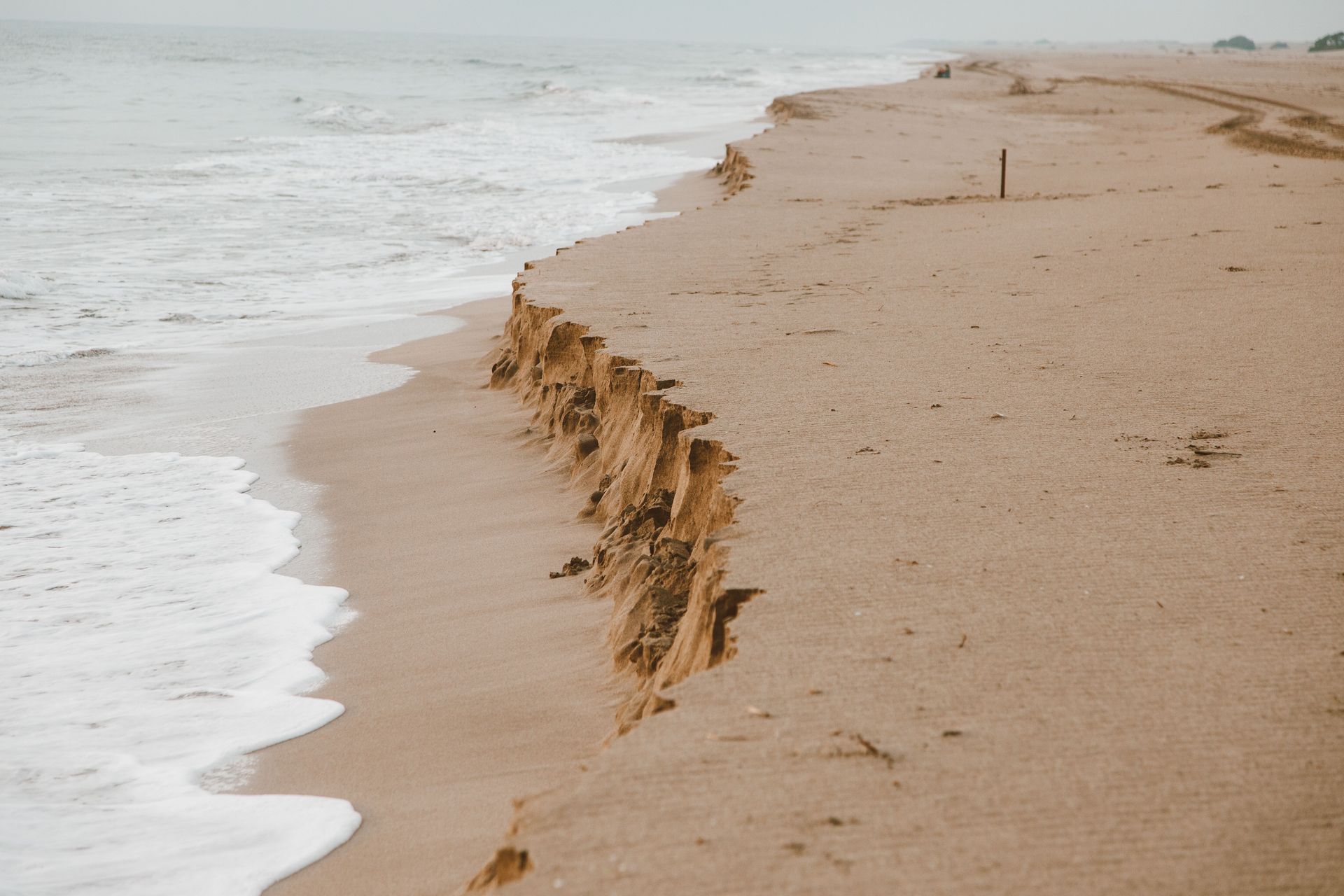
Large voids behind the bulkhead suggest significant erosion and potential instability.
Multiple Structural Failures
When cracks, leaning, erosion, and material deterioration occur simultaneously, replacement often becomes the safest option.
Age of the Bulkhead
Older bulkheads nearing the end of their expected lifespan may not justify repeated repairs.
In many cases, replacement provides greater long-term value than continually patching aging structures.
Benefits of Bulkhead Replacement
While replacement requires a larger upfront investment, it also offers significant advantages.
Long-Term Protection
A new bulkhead provides decades of shoreline protection when properly installed.
Improved Structural Integrity
Modern materials and construction techniques often outperform older systems.
Reduced Maintenance
New structures typically require fewer repairs and less maintenance.
Enhanced Property Value
A professionally installed bulkhead can increase waterfront property value and marketability.
Better Storm Resistance
Newer systems are often designed to withstand today's environmental challenges more effectively.
For many Ocean County waterfront homeowners, replacement becomes an investment in long-term peace of mind.
Factors That Influence the Decision
No two waterfront properties are exactly alike.
Several factors influence whether repair or replacement is recommended.
Age of the Structure
An older bulkhead with recurring problems may justify replacement.
A newer structure with isolated damage often benefits from repairs.
Extent of Damage
Minor issues generally favor repair.
Extensive deterioration often favors replacement.
Future Property Plans
If you plan to own the property for many years, replacement may provide better long-term value.
If you expect to sell soon, repairs may be sufficient depending on the condition.
Budget Considerations
While repairs typically cost less upfront, repeated repairs over time can eventually exceed replacement costs.
Environmental Conditions
Properties exposed to heavy boat traffic, strong wave action, or severe storms may place greater demands on aging bulkheads.
Common Bulkhead Problems Found in Ocean County
Waterfront properties throughout Ocean County face unique challenges.
Areas including Toms River, Brick Township, Island Heights, Berkeley Township, Lacey Township, and Barnegat experience:
- Seasonal storms
- Saltwater exposure
- Tidal fluctuations
- Soil movement
- Freeze-thaw cycles
- Boat wake impacts
These conditions can accelerate bulkhead deterioration and influence repair or replacement decisions.
Property owners should work with contractors familiar with local shoreline conditions to ensure the right solution is chosen.
The Importance of a Professional Inspection
The only reliable way to determine whether a bulkhead should be repaired or replaced is through a professional evaluation.
An experienced marine contractor can assess:
- Structural integrity
- Soil conditions
- Erosion levels
- Hardware condition
- Drainage performance
- Material deterioration
Many problems that appear severe may be repairable.
Likewise, some issues that appear minor may indicate hidden structural concerns beneath the surface.
A thorough inspection helps property owners make informed decisions and avoid unnecessary expenses.
How Regular Maintenance Can Delay Replacement
One of the best ways to maximize the lifespan of a bulkhead is through routine maintenance.
Preventative measures include:
- Annual inspections
- Addressing cracks early
- Monitoring erosion
- Maintaining drainage systems
- Repairing hardware promptly
- Watching for signs of movement
Small repairs performed at the right time often prevent larger and more expensive problems later.
Frequently Asked Questions
Is repairing a bulkhead always cheaper than replacing it?
Initially, yes. However, repeated repairs on a severely deteriorated structure can eventually cost more than replacement.
How long can repairs extend the life of a bulkhead?
Depending on the condition of the structure, repairs may extend its lifespan by several years or even decades.
What is the biggest sign replacement is needed?
Severe leaning, widespread deterioration, and major soil loss are among the strongest indicators that replacement may be necessary.
Can a bulkhead inspection determine the best option?
Yes. A professional inspection provides the information needed to determine whether repair or replacement is the most practical solution.
How often should waterfront property owners inspect their bulkheads?
Most property owners should have their bulkheads evaluated periodically and after major storms.
Making the Right Decision for Your Waterfront Property
Choosing between bulkhead repair and bulkhead replacement is an important decision that affects the safety, value, and longevity of your waterfront property.
In many situations, timely repairs can successfully restore performance and extend the life of an existing structure. However, when damage becomes widespread or structural integrity is compromised, replacement often provides the best long-term solution.
For property owners throughout Toms River and Ocean County, understanding the warning signs and seeking professional guidance early can prevent costly surprises and help protect valuable waterfront investments for years to come.
Recent Posts
Ready to Work With a Certified Escort Professional?
If you're planning an oversize load move and need a state certified pilot car in Kennewick, WA or surrounding states, Brand X is ready to assist.
Certified. Insured. Professional.
Request a Quote
We will get back to you as soon as possible.
Please try again later.