Signs Your Bulkhead Is Failing: What Toms River Homeowners Should Watch For
If you own a waterfront property in Toms River or anywhere in Ocean County, your bulkhead is one of the most important structures protecting your investment. A properly functioning bulkhead helps prevent erosion, supports your shoreline, and protects your property from water intrusion. However, bulkheads do not last forever. Exposure to tides, storms, changing water levels, and soil movement can gradually weaken even the strongest structures.
The good news is that most bulkhead failures don't happen overnight. In many cases, there are warning signs that appear months or even years before a complete failure occurs. Recognizing these signs early can save thousands of dollars in repair costs and help prevent major damage to your waterfront property.
In this guide, we'll cover the most common signs of bulkhead failure, why these issues occur, and what property owners in Toms River should do when they notice potential problems.
Why Bulkheads Are So Important
Bulkheads serve as retaining walls between land and water. They are designed to hold back soil while protecting shorelines from erosion caused by waves, tides, and storms.
In waterfront communities throughout Ocean County, bulkheads are critical because they:
- Prevent shoreline erosion
- Protect homes and structures from land loss
- Maintain property value
- Support docks and marine structures
- Improve waterfront usability
- Help manage water intrusion
Without a properly functioning bulkhead, waterfront properties become vulnerable to erosion, flooding, and structural instability.
Sign #1: Your Bulkhead Is Leaning or Bowing
One of the most obvious warning signs of bulkhead failure is visible leaning or bowing.
Bulkheads should remain relatively straight and stable. If sections begin leaning toward the water or landward, it often indicates structural stress.
Common causes include:
- Soil pressure behind the wall
- Deteriorating tie-back systems
- Water saturation
- Aging materials
- Erosion beneath the structure
Even a slight lean can indicate larger issues developing below the surface. Property owners should never assume that a leaning bulkhead is simply cosmetic.
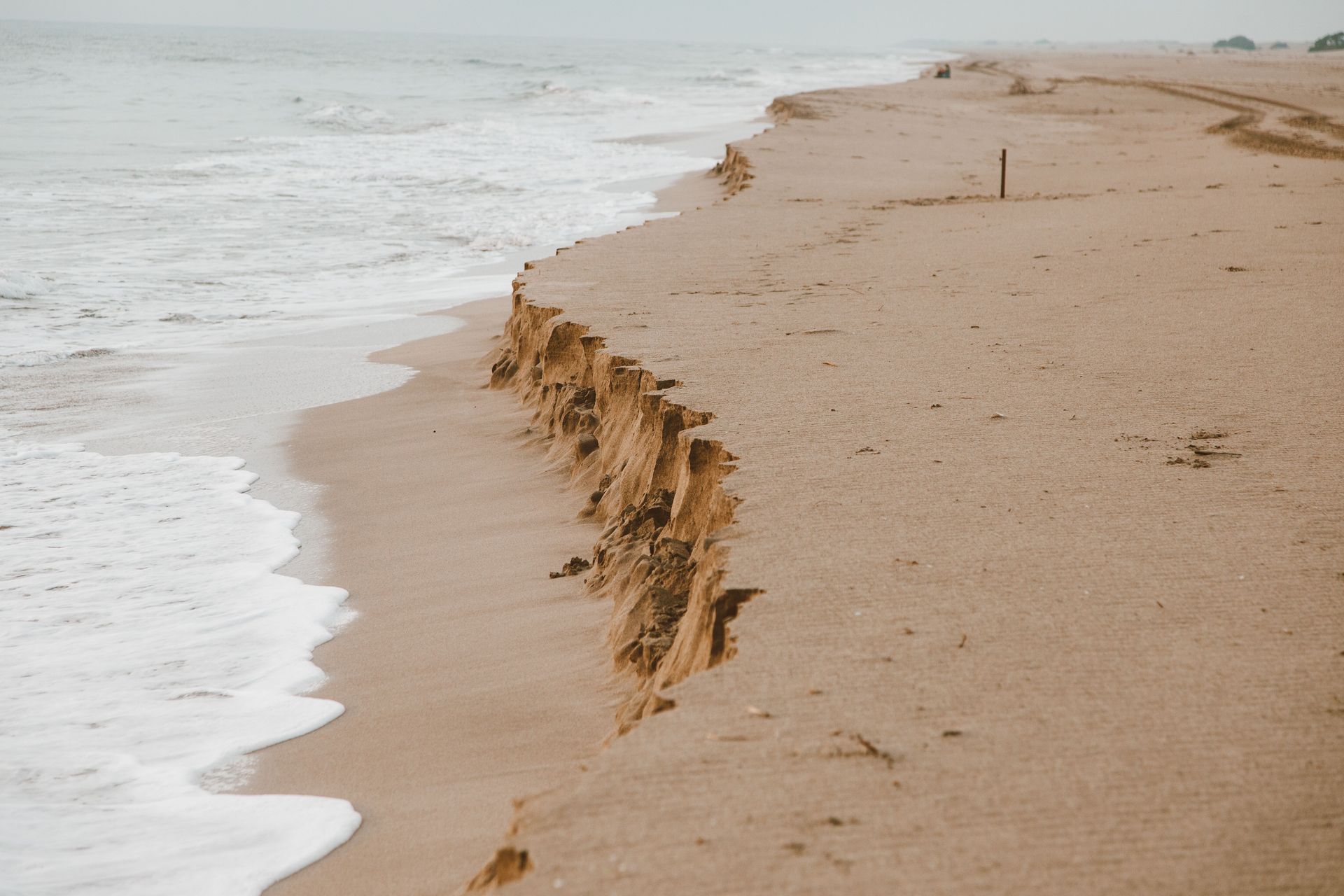
Sign #2: Soil Erosion Behind the Bulkhead
Have you noticed depressions, sinkholes, or areas where soil seems to be disappearing behind your bulkhead?
This is often a sign that water is washing soil through cracks, gaps, or weakened sections of the structure.
Warning signs include:
- Sunken areas in your yard
- Soil settling near the bulkhead
- Gaps forming behind the wall
- Unexplained changes in landscaping
When soil begins washing away, the pressure distribution behind the bulkhead changes, making structural failure more likely.
In many cases, addressing soil loss early can prevent a complete bulkhead replacement.
Sign #3: Cracks in the Bulkhead Structure
Cracks should never be ignored.
While small surface imperfections can occur over time, larger cracks often indicate structural movement or deterioration.
Look for:
- Horizontal cracks
- Vertical cracks
- Widening gaps
- Sections separating from one another
Cracks allow water to penetrate deeper into the structure, accelerating damage and increasing erosion behind the wall.
If you notice new cracks or existing cracks becoming larger, it's a good idea to schedule a professional inspection.
Sign #4: Water Seeping Through the Bulkhead
Some moisture around a bulkhead can be normal, but significant water seepage may indicate problems.
Excessive water flow through the wall can suggest:
- Material deterioration
- Failed joints
- Compromised structural components
- Soil loss behind the wall
When water consistently passes through a bulkhead, it often carries soil particles with it. Over time, this can create voids behind the structure and weaken its overall stability.
Sign #5: Rusted or Corroded Components
Many bulkhead systems rely on metal components such as tie rods, anchors, and fasteners.
Because waterfront environments expose these materials to constant moisture and salt, corrosion is a common issue.
Watch for:
- Rust stains
- Visible corrosion
- Deteriorated metal hardware
- Loose connections
When these support systems weaken, the entire bulkhead can become unstable.
Regular inspections can help identify corrosion before it causes significant structural damage.
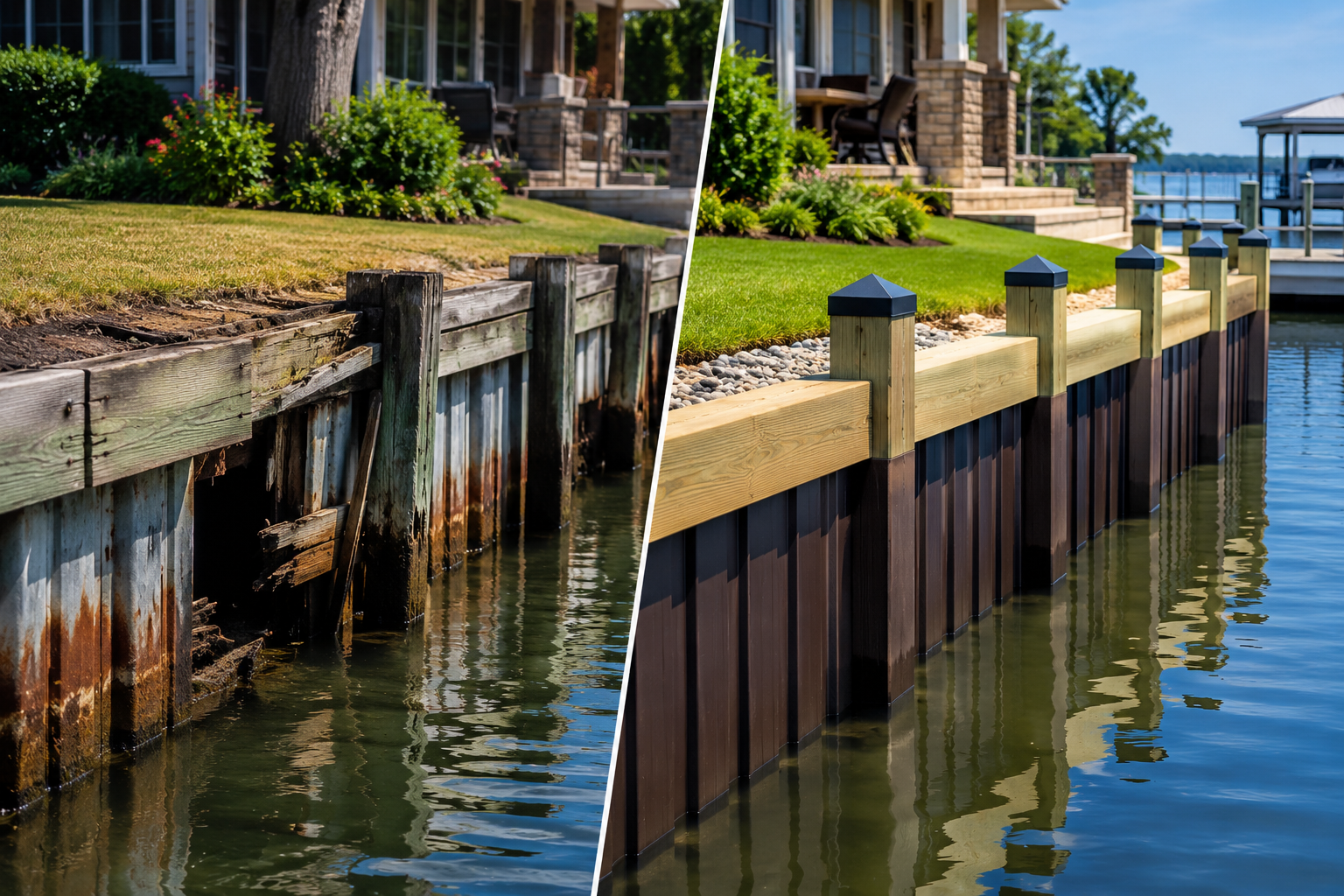
Sign #6: Rotting Wood or Material Deterioration
Wooden bulkheads remain common throughout parts of Ocean County.
Although treated lumber is designed to withstand harsh conditions, years of exposure eventually take their toll.
Signs of deterioration include:
- Soft spots
- Crumbling wood
- Splintering surfaces
- Discoloration
- Missing sections
Material degradation often progresses gradually. By the time visible damage appears, underlying structural issues may already exist.
Routine inspections are especially important for older wooden bulkheads.
Sign #7: Increased Erosion Along Your Shoreline
Sometimes the shoreline itself provides clues that your bulkhead may be struggling.
Pay attention to:
- Loss of waterfront land
- Exposed roots
- Shoreline recession
- Areas where soil is washing away
Even if the bulkhead appears structurally intact, increased erosion may indicate that the system is no longer performing effectively.
Property owners should investigate erosion issues promptly before they become more severe.
Sign #8: Dock or Pier Instability
Bulkheads and marine structures often work together.
If you notice problems with nearby docks, piers, or pilings, your bulkhead could be contributing to the issue.
Watch for:
- Uneven dock surfaces
- Shifting structures
- Loose pilings
- Movement during tides
Structural problems in one waterfront component can place additional stress on surrounding systems.
A comprehensive inspection can determine whether your bulkhead is affecting nearby structures.
What Causes Bulkhead Failure?
Several factors contribute to bulkhead deterioration.
Common causes include:
Aging Materials
Even well-built bulkheads have a limited lifespan. Over time, exposure to water, weather, and environmental conditions weakens materials.
Storm Damage
Ocean County experiences coastal storms that place tremendous pressure on shoreline structures.
Repeated storm exposure can accelerate wear and tear.
Water Pressure
Hydrostatic pressure builds behind bulkheads as water accumulates in surrounding soil.
Without proper drainage, this pressure can force walls to lean or crack.
Poor Maintenance
Minor issues that go unaddressed often develop into larger and more expensive problems.
Routine inspections help identify concerns before they escalate.
Soil Movement
Changes in soil conditions can shift the forces acting on a bulkhead, causing movement and structural instability.
Why Early Repairs Save Money
Many property owners delay repairs because the damage doesn't seem urgent.
Unfortunately, bulkhead issues rarely improve on their own.
A small crack today can become a major structural failure tomorrow.
Early repairs often provide benefits such as:
- Lower repair costs
- Extended bulkhead lifespan
- Reduced erosion
- Better shoreline protection
- Improved property value
- Avoidance of emergency repairs
In many situations, targeted repairs can postpone the need for a complete replacement by several years.
When Should You Schedule an Inspection?
If you notice any of the warning signs discussed above, scheduling an inspection is the best next step.
A professional marine contractor can evaluate:
- Structural integrity
- Soil conditions
- Erosion concerns
- Drainage issues
- Material deterioration
Even if your bulkhead appears to be functioning properly, periodic inspections can help identify hidden problems before they become serious.
For waterfront homeowners in Toms River, Brick Township, Berkeley Township, Lacey Township, Barnegat, and throughout Ocean County, preventative inspections are often one of the most cost-effective investments you can make.
Frequently Asked Questions
How long does a bulkhead typically last?
The lifespan depends on materials, environmental conditions, and maintenance. Many bulkheads last between 20 and 40 years, though some may require repairs sooner.
Can a leaning bulkhead be repaired?
In many cases, yes. Early intervention often allows contractors to reinforce and stabilize the structure before replacement becomes necessary.
Is shoreline erosion always caused by bulkhead problems?
Not always, but bulkhead issues are a common contributor. An inspection can determine the root cause.
How often should a bulkhead be inspected?
Most waterfront property owners should consider inspections every few years, particularly after major storms.
What is the biggest warning sign of bulkhead failure?
Leaning walls, soil loss behind the structure, and significant cracking are among the most serious indicators that professional attention is needed.
Protect Your Waterfront Property Before Small Problems Become Major Repairs
Your bulkhead serves as the first line of defense between your property and the water. Recognizing early warning signs can help prevent costly repairs, protect your shoreline, and preserve your property's value.
If you notice leaning walls, cracks, erosion, or other signs of deterioration, addressing the issue early is almost always more affordable than waiting for a complete failure.
Recent Posts
Ready to Work With a Certified Escort Professional?
If you're planning an oversize load move and need a state certified pilot car in Kennewick, WA or surrounding states, Brand X is ready to assist.
Certified. Insured. Professional.
Request a Quote
We will get back to you as soon as possible.
Please try again later.